
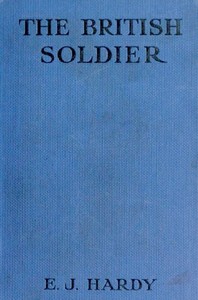
The British soldier : his courage and humour by E. J. Hardy
Forget the history books filled with dates and troop movements. 'The British Soldier: His Courage and Humour' is something much more personal. Published in 1899, it’s a snapshot of army life from the ground up, written by a man who lived alongside the soldiers as a chaplain.
The Story
There isn't a single plot. Think of it as a series of character studies and anecdotes. E.J. Hardy draws from his own experiences and the stories soldiers told him to paint a full picture of daily life in Queen Victoria's army. He covers everything from the boredom of garrison duty and the misery of a long march to the terror and chaos of battle. But the real focus is on the soldier's spirit. He shows us how men coped with harsh discipline, poor food, and danger not just with stoic courage, but with a wicked, resilient sense of humor. It’s about the nicknames, the practical jokes, the songs sung around the campfire, and the ability to find something laughable in the worst situations.
Why You Should Read It
This book turns statues into people. Hardy has a keen eye and a genuine affection for his subjects. He doesn't shy away from their flaws—they could complain, grumble, and skirt the rules—but he shows how these very human traits were part of their strength. The most powerful sections explore how courage and humor were two sides of the same coin. The jokes weren't just for fun; they were a way to beat fear, to bond a unit together, and to keep their humanity intact. Reading it, you get a profound sense of respect for these ordinary men. It’s history told through personality and character, not politics.
Final Verdict
This is a gem for anyone who loves social history or military history from the human angle. It's perfect for fans of books like 'Tommy' by Richard Holmes, as it provides the original source material that later historians draw from. It’s also a great, accessible read for anyone curious about the Victorian era beyond the palaces and parlors. The language is clear and the stories are engaging. Just be prepared—after meeting the men in these pages, you'll never look at an old regimental photo in quite the same way.



Patricia Smith
5 months agoHigh quality edition, very readable.