
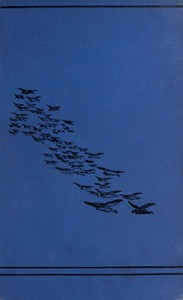
Sport in the Crimea and Caucasus by Clive Phillipps-Wolley
Clive Phillipps-Wolley's book isn't a novel with a plot, but a collection of his personal experiences as a British sportsman traveling through the Crimean Peninsula and the Caucasus Mountains in the late 1800s. Think of it as a highly detailed blog from the age of steam trains and sailing ships.
The Story
The 'story' is his journey. He sails to the Black Sea, lands in Crimea, and then pushes inland into the dramatic landscapes of the Caucasus. Each chapter is essentially a new expedition. He describes the exhausting climbs, the bitter cold of high altitudes, and the thrill (and frequent frustration) of hunting for game like ibex, bear, and turkey. He hires local guides, relies on Cossack outposts for shelter, and observes the daily lives of the people living in these remote areas. The narrative is driven by the pursuit of sport, but it's framed by the stunning and often harsh geography he has to conquer to find it.
Why You Should Read It
What makes this book stick with you is its voice. Phillipps-Wolley is a product of his time—his views on hunting and empire are very Victorian—but he's also a sharp observer. You get this vivid, unfiltered picture of a region that was a mystery to most Western readers. His descriptions of Yalta before it was a resort, or of mountain villages untouched by the modern world, are priceless. He doesn't romanticize it; he talks about the mud, the bad food, and the moments of sheer danger. Reading it feels like finding an old, water-stained journal in an attic. It's an adventure story, yes, but it's also a raw, unpolished piece of social and environmental history.
Final Verdict
This one's perfect for history buffs who want a ground-level view, not a textbook summary. It's also great for travel writing fans or anyone who enjoys classic adventure tales like those of Teddy Roosevelt or Richard Francis Burton. Be warned: the hunting descriptions are graphic and frequent, so it's not for the squeamish. But if you can view it as a historical document, it's a completely unique portal into a vanished world. You're not just reading about the landscape; you're trudging through it alongside a stubborn, witty, and surprisingly relatable Victorian explorer.
Ava Martin
4 months agoIf you enjoy this genre, it creates a vivid world that you simply do not want to leave. One of the best books I've read this year.


Kevin Lopez
1 year agoText is crisp, making it easy to focus.